
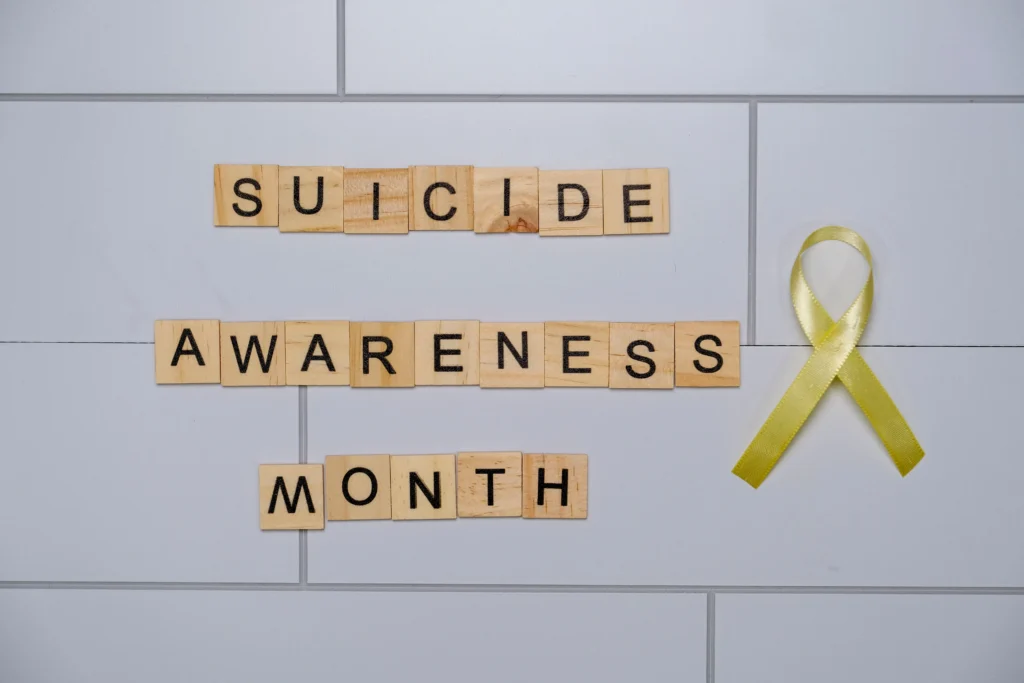
Every year, Suicide Prevention Awareness Month serves as a powerful reminder that mental health struggles often remain hidden behind everyday appearances. While awareness campaigns are important, meaningful change begins with open, compassionate conversations that reduce stigma and encourage people to seek support.
Talking about mental health can save lives. When individuals feel safe discussing their thoughts, emotions, and challenges, they are more likely to access help before reaching a crisis point.
Why Suicide Prevention Awareness Matters
Suicide remains a significant public health concern worldwide. Many people experiencing suicidal thoughts do not openly communicate their distress, often due to fear of judgment, discrimination, or misunderstanding.
Awareness initiatives help educate communities about the warning signs of mental health crises, encourage early intervention, and create environments where seeking help is viewed as a sign of strength rather than weakness.
According to the https://www.who.int/news-room/fact-sheets/detail/suicide, suicide prevention requires collective action from individuals, families, communities, healthcare providers, and policymakers.
The Power of Mental Health Conversations
Open conversations can be a critical protective factor against suicide.
When people feel heard and understood, feelings of loneliness and hopelessness may decrease. A simple conversation can provide reassurance, validation, and a pathway toward professional support.
Mental health discussions also help challenge harmful myths. Contrary to common misconceptions, talking about suicide does not encourage suicidal behavior. Instead, compassionate and non-judgmental conversations can help individuals feel less isolated and more willing to seek assistance.
Read our related article on breaking-the-stigma-around-mental-health.
Recognising the Warning Signs
Understanding potential warning signs can help communities respond more effectively.
Some common indicators may include:
- Expressing feelings of hopelessness or worthlessness.
- Talking about wanting to die or feeling like a burden.
- Withdrawal from family, friends, and social activities.
- Significant mood changes.
- Increased substance use.
- Changes in sleeping or eating patterns.
- Giving away possessions or saying goodbye unexpectedly.
It is important to remember that warning signs can vary from person to person. Any concerning changes in behaviour should be taken seriously.
For additional information, visit the https://www.sadag.org.
Creating Safe Spaces for Dialogue
Creating a supportive environment starts with listening.
When someone shares their struggles, avoid rushing to provide solutions or dismissing their feelings. Instead:
- Listen actively and without judgment.
- Acknowledge their emotions.
- Encourage professional support when needed.
- Follow up regularly.
- Remind them that help is available.
Schools, workplaces, community organisations, and families all play an important role in fostering psychological safety and emotional openness.
You may also find helpful insights in our article on building-emotional-resilience-through-community-support.
The Role of Community and Connection
Strong social connections are closely linked to improved mental well-being. Communities that promote empathy, inclusion, and support can help reduce the risk factors associated with suicide.
Whether through peer support groups, faith-based communities, cultural networks, or mental health programmes, connection creates a sense of belonging that can be protective during difficult times.
Community-driven conversations also help normalize discussions about mental health, making it easier for people to ask for help when they need it most.
Taking Action This Awareness Month
Suicide Prevention Awareness Month is more than a campaign. It is an opportunity to check in with loved ones, educate ourselves about mental health, and contribute to a culture of compassion.
Every conversation matters. By listening, supporting, and speaking openly about mental health, we can help break stigma, encourage help-seeking, and create hope for those facing emotional challenges.
If someone appears to be in immediate danger, seek emergency assistance or contact a qualified mental health professional without delay. Sometimes, a caring conversation can be the first step toward recovery and renewed hope.