
Mental health is often discussed through the lens of psychology and medicine, but culture also plays an important role in how people understand healing, coping, and wellbeing. Across South Africa, cultural traditions continue to provide comfort, connection, and a sense of identity during difficult times.
Why Culture Matters
Culture shapes how we express emotions, respond to stress, and seek support. It influences our beliefs about healing, resilience, and community.
For many people, cultural identity provides a strong foundation for emotional wellbeing. Feeling connected to one’s roots can create a sense of belonging and purpose, both of which are important for mental health.
Community as a Source of Strength
Many African cultures place a strong emphasis on collective support. Family members, elders, and community networks often provide guidance during challenging periods.
This sense of togetherness can reduce feelings of loneliness and encourage individuals to reach out for help. Social connection remains one of the most powerful protective factors for mental wellbeing.
Read more about building emotional resilience in our https://mentalversations.co.za/reflecting-and-reclaiming-emotional-language/
The Power of Storytelling
Storytelling has been part of African heritage for generations. Through stories, communities share wisdom, values, and life lessons.
Beyond preserving culture, storytelling can also support mental health. It creates opportunities to reflect on experiences, learn from others, and find hope during adversity.
Music, Dance, and Emotional Expression
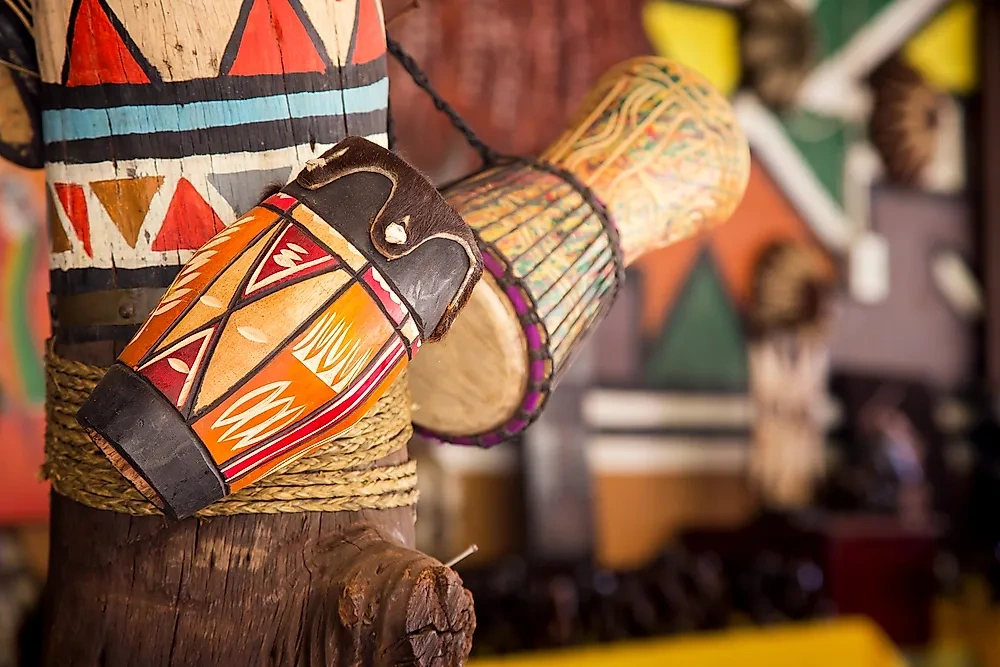
Traditional music and dance are more than forms of entertainment. They can help people express emotions, celebrate milestones, and process grief.
Participating in cultural activities often strengthens social bonds while creating healthy outlets for emotional release. These experiences can contribute positively to overall wellbeing.
Spiritual and Ancestral Connections
For many South Africans, spiritual practices and ancestral traditions are an important part of life. These practices can provide comfort, meaning, and guidance during periods of uncertainty.
When people feel connected to something larger than themselves, they may experience greater emotional stability and a stronger sense of hope.
Bridging Tradition and Modern Care
Cultural practices can complement mental healthcare, but they should not replace professional support when someone is experiencing significant psychological distress.
Conditions such as depression, anxiety disorders, and trauma-related disorders often benefit from evidence-based treatment. The ideal approach is one that respects cultural beliefs while encouraging access to qualified mental health professionals.
Learn more about our approach to mental wellbeing on our about-us page.
Challenging Mental Health Stigma
Mental health stigma remains a challenge in many communities. Open conversations that combine cultural understanding with mental health education can help break down barriers.
When families, community leaders, faith leaders, and healthcare professionals work together, it becomes easier for people to seek support without fear or shame.
Honouring Heritage, Promoting Healing
Our cultural heritage is a valuable source of strength and resilience. By embracing traditional wisdom alongside modern mental healthcare, we can create more inclusive pathways to healing.
For additional information, visit the World Health Organization’s Mental Health Hub (https://www.who.int/health-topics/mental-health) and the South African Depression and Anxiety Group (SADAG) (https://www.sadag.org/). Together, we can honour our heritage while supporting healthier minds and stronger communities.