
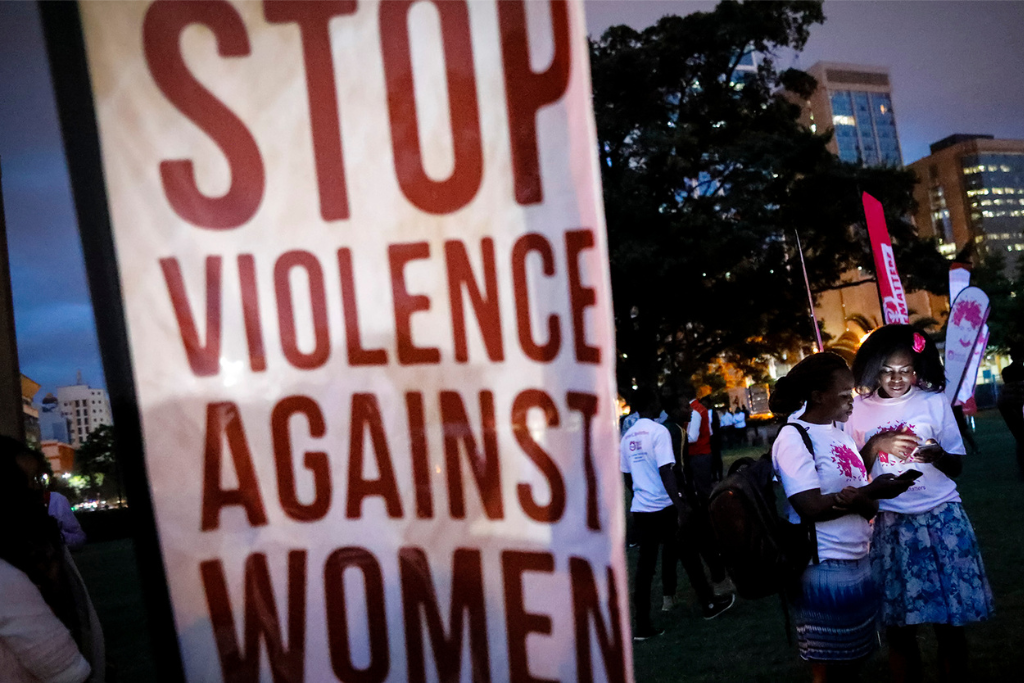
Gender-Based Violence (GBV) is more than a social and legal issue; it is a significant public health and mental health concern. While the physical consequences of violence are often visible, the psychological impact can remain hidden for months or even years. For many survivors, the journey toward healing involves navigating emotional distress, trauma, and the long-term effects of abuse.
According to the World Health Organization (WHO), violence against women and girls is a major public health problem that can result in serious mental health consequences, including depression, anxiety, and post-traumatic stress.
Understanding Gender-Based Violence
Gender-Based Violence refers to harmful acts directed at individuals based on their gender. It can include physical, emotional, psychological, sexual, and financial abuse.
In South Africa, GBV continues to affect individuals, families, and communities at an alarming rate. As highlighted in an article by Nozihle Cleaning Services, Gender-Based Violence and Femicide (GBVF) has been described as a national crisis due to its devastating impact on society and the growing number of survivors affected by violence.
Trauma and Psychological Distress
One of the most common psychological consequences of GBV is trauma. Survivors often experience a heightened sense of fear, vulnerability, and emotional insecurity long after the abuse has ended.
Trauma can affect how a person thinks, feels, and responds to everyday situations. Many survivors experience intrusive memories, emotional numbness, hypervigilance, and difficulty feeling safe in relationships or public spaces. These reactions are normal responses to abnormal and harmful experiences.
Anxiety and Depression
Survivors of GBV are at an increased risk of developing anxiety and depressive disorders. Feelings of hopelessness, sadness, guilt, and self-blame can become overwhelming if left unaddressed.
Anxiety may present as excessive worry, panic attacks, sleep disturbances, or persistent feelings of unease. Depression can affect motivation, self-esteem, concentration, and overall quality of life. The emotional burden of violence often extends far beyond the abusive event itself.
The Role of Shame and Isolation
Many survivors experience feelings of shame, embarrassment, or self-blame. These emotions are often reinforced by stigma, fear of judgment, or concerns about not being believed.
Unfortunately, isolation can worsen psychological distress. Meaningful connection, supportive communities, and access to professional mental wellness support can play an important role in helping survivors feel understood and validated.
The Impact on Identity and Self-Worth
One of the most damaging effects of GBV is its impact on self-esteem and self-worth.
Abusive experiences often involve manipulation, criticism, humiliation, and control. Over time, survivors may begin to question their own value, abilities, and judgment. This erosion of self-confidence can make it difficult to trust themselves and others.
Recovery frequently involves rebuilding a positive sense of identity and developing self-compassion through supportive relationships and professional intervention.
The Impact on Relationships
GBV frequently affects a survivor’s ability to trust others. Experiences of betrayal, manipulation, or abuse can make future relationships feel unsafe.
Some survivors may withdraw emotionally, while others struggle with boundaries and communication. Rebuilding trust is often a gradual process that requires support, understanding, and compassionate care.
This is why relationship healing is an important part of overall mental wellness and long-term recovery.
Clinical Support and Recovery
For some survivors, professional intervention may be necessary. Through clinical consultation services, individuals can receive confidential, evidence-informed support tailored to their needs.
A clinician can help identify symptoms of trauma, anxiety, depression, and emotional distress while providing guidance on appropriate treatment pathways. Mental Versations also offers private mental health consultation and online clinical consultation services, making support more accessible for those seeking care.
Learn more our clinical support services https://mentalversations.co.za/clinical-consultation-services-in-south-africa/ and our broader Mental Wellness Platform.
Moving Towards Healing
By raising awareness, supporting survivors, and strengthening access to mental health resources, we can contribute to a healthier and more compassionate society. For additional information on GBV in South Africa, read Gender-Based Violence and Femicide: A Crisis in South Africa.
For global mental health resources, visit the World Health Organization’s Mental Health and Violence Against Women pages: https://www.who.int/health-topics/mental-health and https://www.who.int/news-room/fact-sheets/detail/violence-against-women.