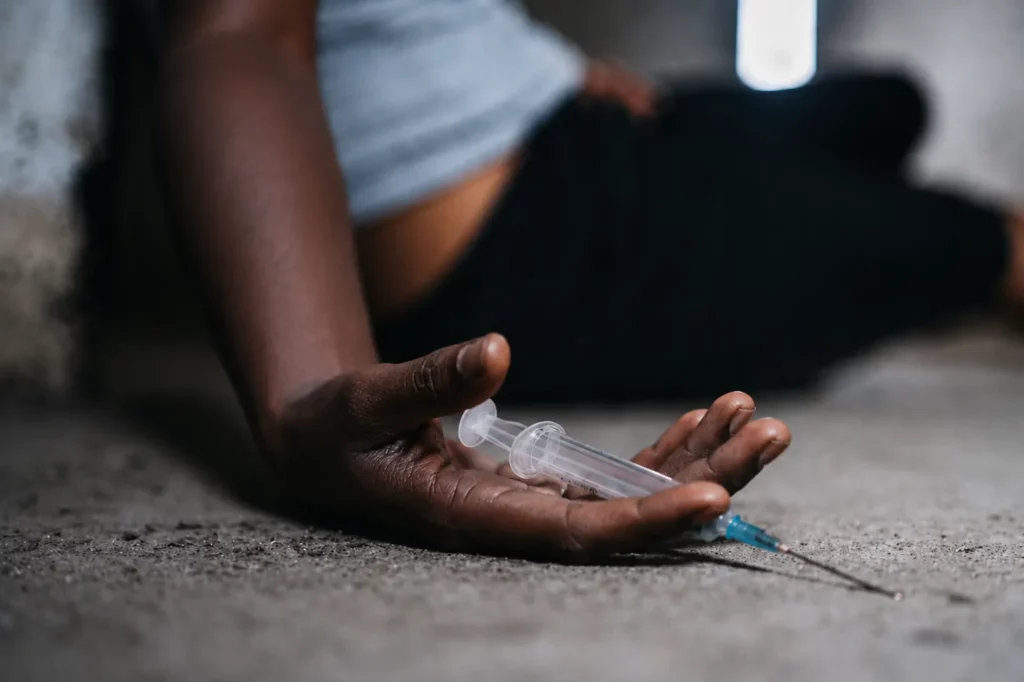
Addiction is often misunderstood as a lack of willpower or poor decision-making. In reality, addiction is a complex and chronic health condition that affects the brain, behaviour, emotions, relationships, and overall wellbeing. Whether it involves substances such as alcohol and drugs or behaviours such as gambling, gaming, or compulsive internet use, every addiction matters and deserves attention, compassion, and evidence-based support.
Understanding Addiction Beyond Stereotypes
Addiction, also known as a substance use disorder or behavioural addiction, develops when a person continues engaging in a behaviour or using a substance despite experiencing harmful consequences.
Many people living with addiction also experience co-occurring mental health conditions such as anxiety, depression, trauma-related disorders, or chronic stress. These challenges can interact with one another, making recovery more complex and highlighting the need for holistic care.
To better understand the impoprtance of awareness and mental wellbeing regarding addiction visit our website at www.mentalversations.co.za
Why Awareness Matters
Stigma remains one of the greatest barriers to recovery. Individuals struggling with addiction are often judged, blamed, or isolated, which can discourage them from seeking help.
Increasing awareness helps communities recognise addiction as a health issue rather than a moral failing. It also encourages earlier intervention, reduces discrimination, and promotes supportive environments where people can access treatment without fear of shame.
Awareness campaigns can empower families, educators, employers, and healthcare professionals to identify warning signs and respond appropriately. Early recognition often leads to better treatment outcomes and improved quality of life.
Recognising the Warning Signs
While symptoms vary, some common indicators of addiction include:
- Loss of control over substance use or behaviour
- Strong cravings or urges
- Withdrawal from family, friends, or responsibilities
- Increased secrecy and denial
- Financial, legal, or relationship difficulties
- Continued use despite negative consequences
Recognising these signs early can make a significant difference in a person’s recovery journey.
For additional guidance, explore our resource on https://mentalversations.co.za/self-care-and-emotional-wellbeing/.
Practical Measures for Prevention and Recovery
Encourage Open Conversations
Creating safe spaces for honest discussions about mental health and addiction can reduce stigma and encourage people to seek support sooner.
Strengthen Mental Wellness
Healthy coping strategies such as exercise, mindfulness, adequate sleep, and social connection help build resilience against stress and emotional distress.
Seek Professional Support
Recovery is not a journey that individuals need to face alone. Counsellors, psychologists, psychiatrists, support groups, and rehabilitation programmes can provide tailored treatment and ongoing support.
Useful external resources include:
- World Health Organization (WHO): www.who.int
- United Nations Office on Drugs and Crime (UNODC): https://www.unodc.org.
- South African National Council for Alcoholism and Drug Dependence: www.sancanational.info
Support Loved Ones with Compassion
Family members and friends play a vital role in recovery. Listening without judgment, encouraging treatment, and maintaining healthy boundaries can contribute positively to long-term recovery outcomes.
A Shared Responsibility
Every addiction matters because every person matters. Raising awareness, reducing stigma, and promoting access to treatment are essential steps toward healthier individuals and stronger communities. By recognising addiction as a legitimate health concern and taking proactive measures, we can create a society where recovery is supported, mental wellness is prioritised, and no one feels alone in their struggle.
Together, through education, empathy, and action, we can help turn awareness into meaningful change.