Reflecting and Reclaiming Emotional Language.
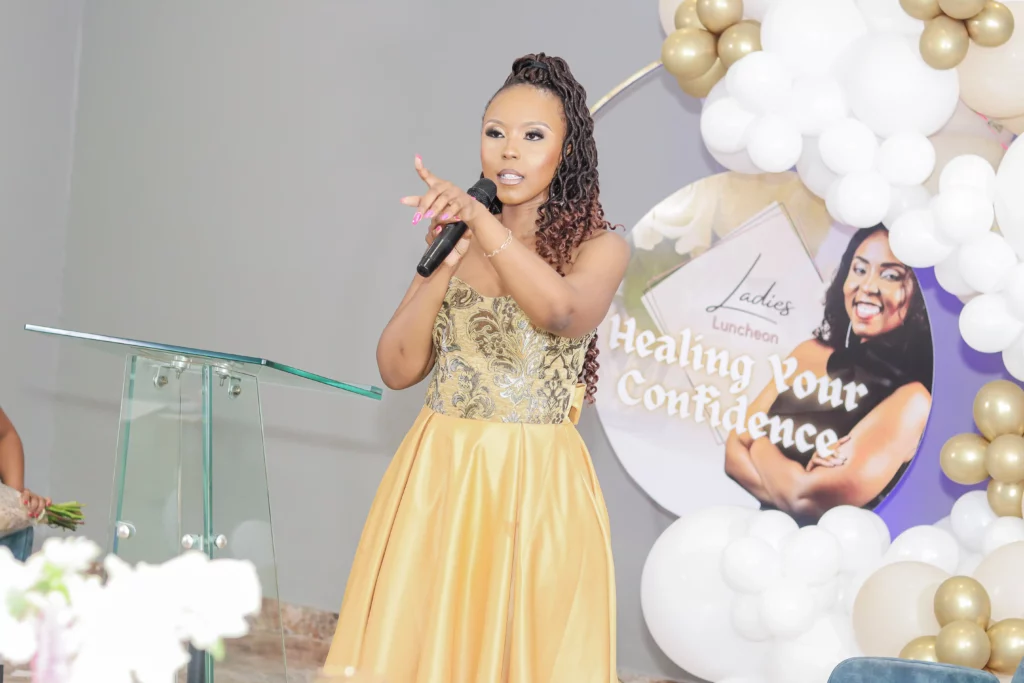
I was invited to speak about emotional intelligence at a women’s conference. I didn’t expect the preparation for the talk to confront me quite as much as it has. It sparked an unsettling feeling of reflection inside me. I started thinking about what it actually means, as a woman, to become emotionally intelligent.
We often speak about emotional intelligence as the ability to recognise, understand and manage our emotions. But we develop that ability inside families, workplaces, professions, cultures and communities that have already taught us which emotions are acceptable.
“She’s Too Emotional”
How do you confidently name your anger when you have learnt that an angry woman is difficult, aggressive or “too much”? Do you freely get to experience sadness when tears in a leadership position may be interpreted as weakness? How easily do you admit anxiety when you are a doctor and fear that uncertainty might be mistaken for incompetence?
Eventually, you don’t only learn how to regulate your emotions, you learn how to hide them. You learn to “stay in check”. To always show strength because expectations for us to fall apart are always lingering at the door. Its comments like “she’s too emotional” that reinforce this narrow-minded perception towards women, especially black women.
Words Mean Something
This reflection made me wonder what this kind of perception and expectation towards women does to our emotional vocabulary. Because before I can regulate an emotion, I have to be able to recognise it. I have to have language for it. I have to be able to sit with it long enough to ask: What exactly am I feeling? Why am I feeling it? What is this emotion trying to tell me?
Yet so many of the spaces women occupy teach us to move almost immediately from feeling to managing how that feeling will be perceived.
And what a concoction that creates.
A woman who can read everybody else in the room, anticipate everybody else’s needs, regulate everybody else’s discomfort and still struggle to find language for what is happening inside herself.
Reclaiming Emotional Language
Perhaps part of developing emotional intelligence as women is reclaiming that language. Not giving every emotion control over our behaviour, but giving ourselves permission to acknowledge that it exists.
To say:
- I am angry.
- I am hurt.
- I am anxious.
- I am disappointed.
- I am overwhelmed.
And to understand that naming an emotion is not the same thing as being ruled by it
Reflection
Reclaiming emotional language is part of the work of emotional intelligence for women: learning to separate what we feel from what we have been taught that feeling means about us. To recognise anger without immediately wondering whether we are being difficult. So we can acknowledge anxiety without translating it into incompetence. and to experience sadness without first calculating whether the room can tolerate our tears.
Because there is a difference between regulating an emotion and suppressing it. And you cannot meaningfully regulate what you have never allowed yourself to name.
To Healing
With Love – Dr Faith